
Home Interior Design Trends That Can Redefine Modern Living Spaces
The design world is shifting in recent days. You can see layered, expressive interiors rather than sterile minimalist spaces with a balance of comfort, functionality and appeal. Every home is considered a multifunctional environment that supports work, entertainment, wellness and more. So, it’s expected you make the right design choice here.
Embrace the fleeting trends of nature-inspired materials and warm color palettes to create those statement surfaces that help you emphasize your individuality. Be it renovation, full construction or a small upgrade, pick a design concept that is inviting and versatile.
Personalized Interiors are the Future of Luxury
Just move away from cookie-cutter designs. No more showroom-perfect spaces; just try to tell a story that reflects a lifestyle and has a personal touch in your interiors. Designers now mix textures, materials, and architectural influences. Select contemporary lighting and match it with vintage furniture, or handcrafted finishes with sleek appliances – all these helps to prioritise both personality and comfort. Experimentation is always welcome with colors, finishes, and layouts suiting preferences rather than following any rigid design rules.
Earthy Tones and Natural Materials Continue to Dominate
Neutral palettes remain popular, but modern interiors are moving beyond traditional whites and grays. Rich earth tones, including terracotta, olive green, sand, and deep brown, are creating the best environments. Natural materials such as stone, clay, and linen complement these colors beautifully. Their textures introduce depth and authenticity into living spaces while also expressing a stronger connection to nature.
Organic materials fit well in kitchens, bathrooms, and living areas to maintain the contemporary nature of your space. This kind of architecture perfectly matches wooden cabinetry, stone countertops, and textured wall treatments that provide visual contrast and age gracefully over time.
In recent days, some biophilic design principles like bringing nature indoors have gained traction, from tiles to jewellery. Large windows, indoor plants, natural lighting, and sustainable materials contribute to healthier and more relaxing environments.
Own the Center Stage
Minimalism is evolving. While clean lines and uncluttered spaces remain desirable, homeowners are looking for ways to introduce character without overwhelming a room. Feature walls, decorative backsplashes, textured flooring, and accent installations are changing even simple interiors into memorable spaces. Kitchens and bathrooms, in particular, have become the right places to experiment with bold materials and creative layouts.
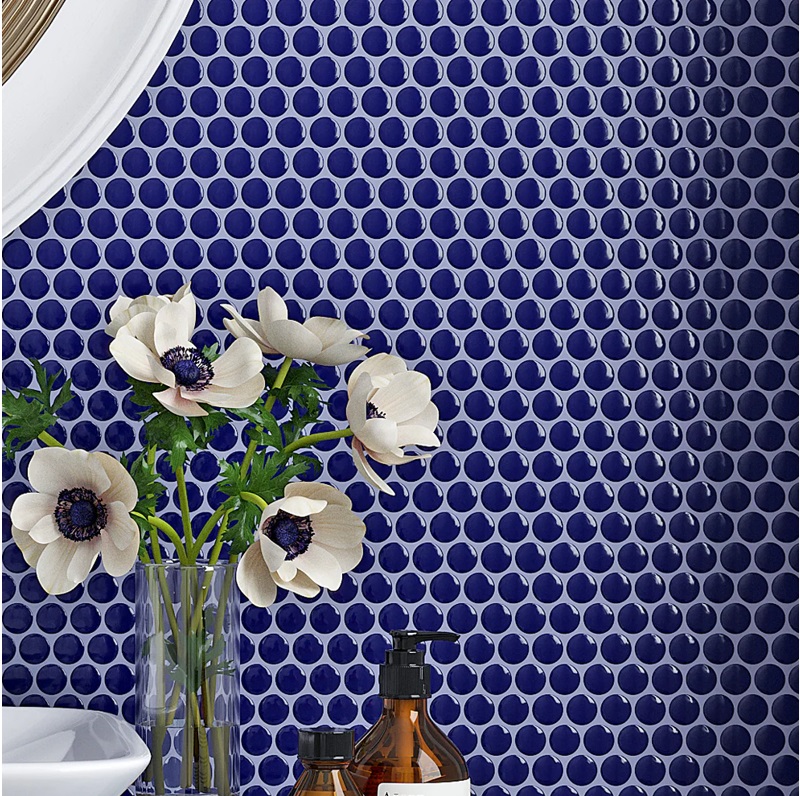
Many designers are incorporating mosaics and textured finishes as a way to add depth and artistic expression to the spaces and also to remain highly functional. Homeowners searching for distinctive design inspiration are increasingly turning to artistic interior surfaces that blend craftsmanship with contemporary ideas. Whether installed behind a vanity, around a fireplace, or across a kitchen backsplash, decorative surfaces can change the entire atmosphere of a room.
Multifunctional Spaces Are Here to Stay
The way people use their homes has changed significantly over the last few years. Remote work, online learning, and flexible schedules have increased demand for spaces that can serve multiple purposes. Guest rooms now double as home offices. Dining areas transform into workstations during the day. Basements and spare rooms are being converted into gyms, entertainment zones, and creative studios. As a result, interior layouts are becoming more adaptable. Movable partitions, modular furniture, and built-in storage solutions allow homeowners to maximize square footage without sacrificing style.
Designers are also prioritizing visual continuity between different areas of the home. Consistent color palettes, coordinated materials, and transitions help multifunctional spaces improve in a better way.
Wellness-Focused Design to Renovate Your Home
If you agree to the fact that a home is a sanctuary that supports physical and mental health, then picking wellness-focused designs gives comfort, natural light, air quality and a calming atmosphere. Bathrooms are evolving into spa-like retreats featuring oversized showers, freestanding tubs, and soothing materials. Bedrooms incorporate soft textures, layered lighting, and muted colors to encourage relaxation.
Lighting design has become particularly important. Rather than relying solely on overhead fixtures, homeowners are integrating ambient, task, and accent lighting to create flexible environments throughout the day. Acoustic comfort is another emerging consideration. Rugs, upholstered furniture, and textured finishes help reduce noise and create quieter living spaces, especially in open-concept homes.
The Evolution of Kitchen Design
Kitchens remain one of the most influential spaces in any home. Open shelving, concealed storage, and integrated appliances are helping homeowners maintain organized, streamlined environments – the goal of designers and architects in recent days. Meanwhile, kitchen islands continue to evolve into social hubs where families cook, work, and gather.
Color is making a strong comeback in family kitchen design. Deep greens, navy blues, and warm wood tones are replacing all-white kitchens. Backsplashes have also become more expressive. Rather than serving solely as protective surfaces, they are increasingly viewed as design features that tie together cabinetry, countertops, and flooring. Texture plays a crucial role here, with geometric patterns, handcrafted finishes, and layered materials contributing to a more dynamic aesthetic.
Bathrooms Are Becoming Design Statements
Bathrooms are no longer treated as purely functional spaces. Instead, homeowners are investing in designs that depict luxury. Large-format tiles, floating vanities, frameless glass showers, and modern lighting are common features in contemporary bathrooms. Designers are embracing materials that are easy to maintain and, at the same time, create the best visual impact.
Accent walls and decorative details are especially popular in powder rooms and guest bathrooms, where homeowners can experiment with bolder choices. The use of contrasting textures and unique surface treatments allows these smaller spaces to leave a lasting impression. Storage solutions are also improving. Recessed shelving, built-in cabinetry, and minimalist fixtures help maintain clean, uncluttered environments.
Technology and Smart Design Integration
Technology is increasingly woven into modern interiors, enhancing convenience and efficiency without compromising appearance and beauty. Smart lighting systems, voice-controlled devices, automated window treatments, and integrated security systems have become commonplace. These technologies allow homeowners to personalize their living environments while improving energy management and comfort.
Longevity precedes novelty – This is true many a time. Hence, investigating foundational elements that remain evergreen with respect to quality materials, color schemes, layouts and style becomes essential. Maintaining this also increases resale value. As homeowners continue to rethink how their spaces support daily life, interior design will increasingly emphasize personalization, sustainability, and meaningful craftsmanship. By combining practical solutions with creative expression, today’s design trends are shaping homes that are not only visually appealing but also built to enrich everyday living.