
Proper tree care is not simply a matter of aesthetics. Across towns and cities, maintaining healthy trees is a vital investment that enhances the quality of life for everyone. From cleaning the air we breathe to creating a sense of pride and engagement among residents, tree care significantly impacts a community’s well-being. Residents seeking expert guidance can benefit from an arborist Northlake to ensure the trees in their neighborhoods thrive for years to come.
As populations grow and urban development increases, the need for robust tree care becomes more urgent. Trees offer a suite of environmental, economic, and social advantages that strengthen communities, both now and for generations to come. They are pivotal in everything from energy savings to crime prevention and public health.
When trees are correctly maintained, they provide cleaner air, cooler streets, and increased property values. Their presence can help alleviate the impacts of urban heat, support biodiversity, and even reduce stormwater runoff, making neighborhoods more resilient in the face of climate change. The investment in healthy trees is an investment in resilient, vibrant communities.
Whether through municipal programs or community initiatives, understanding the many benefits of tree care leads to a more environmentally sound, healthy, and prosperous society.
Environmental Benefits
Trees provide an array of ecological benefits that are irreplaceable. A single mature tree can absorb up to 48 pounds of carbon dioxide annually, a factor that is essential in a landscape increasingly affected by traffic and industry. Alongside carbon capture, trees also help remove pollutants like nitrogen oxides, ammonia, and particulate matter, significantly improving air quality. The United States Environmental Protection Agency highlights that trees planted along streets can lower city temperatures by as much as seven degrees Fahrenheit.
Beyond the air we breathe, trees filter and stabilize water resources. Their root systems reduce soil erosion and act as a natural filtration system, trapping pollutants and sediment and improving water quality for both people and wildlife. Healthy urban forests contribute to ecosystem diversity, providing shelter and food for birds, insects, and small mammals.
Economic Advantages
The economic impact of trees goes far beyond the value of timber or shade. Trees positioned strategically on properties can lower household heating and cooling costs. According to the U.S. Forest Service, neighborhoods with mature, well-maintained trees often see property values increase by 10 percent or more. Trees not only save homeowners on energy bills but also reduce public infrastructure expenses by lessening the pipeline strain of stormwater systems.
Moreover, streets with tree-lined sidewalks are more attractive to shoppers and tourists. This, in turn, can boost spending at local businesses and encourage longer stays in public spaces, invigorating the local economy. The collective annual savings on energy and stormwater costs in some municipalities can reach millions, as seen in cities like Cincinnati, which saves nearly $5 million each year in cooling costs due to its urban canopy.
Health and Well-being
Green environments offer profound public health benefits. Studies published by the National Institutes of Health suggest that exposure to trees and green spaces is linked to reduced stress levels, lower blood pressure, and quicker recovery from illness. The simple act of walking or interacting with trees can decrease rates of depression and promote mental well-being.
Hospitals and care centers that overlook green landscapes report faster healing for patients. Children in tree-filled neighborhoods benefit from more opportunities for physical activity and play, contributing to healthier growth and development. Neighborhoods abundant in trees also enjoy cleaner air, meaning fewer respiratory illnesses.
Crime Reduction
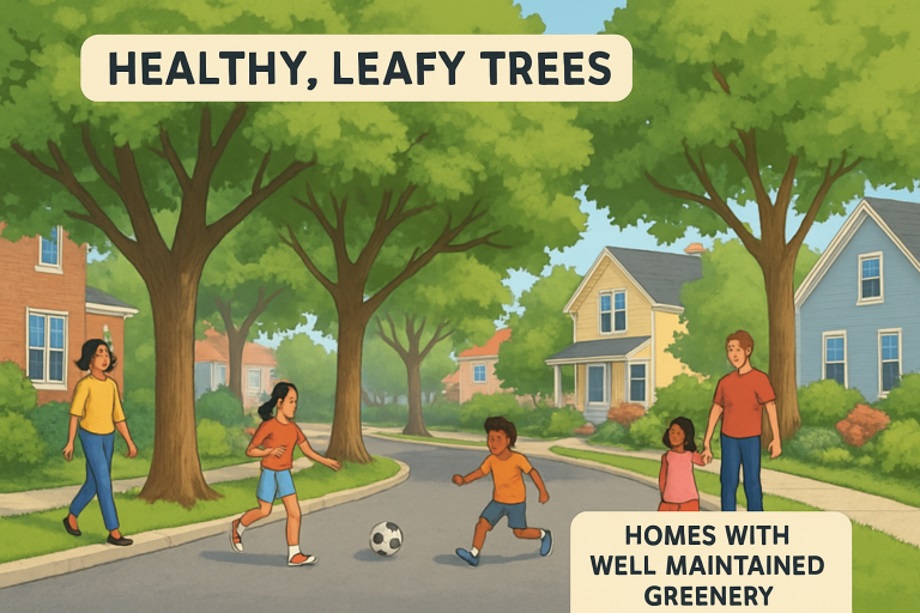
Trees may seem an unlikely factor in community safety, but research shows well-maintained greenery has a deterrent effect on crime. For instance, in Portland, Oregon, neighborhoods with larger trees, including those near the street, are associated with a lower incidence of property crimes. Conversely, smaller trees, especially those planted near homes that may provide a screen for burglars, are associated with higher crime rates.
Green spaces encourage more foot traffic, which increases surveillance and community interaction, making areas less attractive to criminals. Well-kept environments tend to foster pride among residents, reducing instances of vandalism and graffiti as community members feel more connected and responsible for their shared spaces.
Stormwater Management
Trees are a vital natural solution for urban water management challenges. Their extensive root systems absorb large volumes of rainwater, with an acre of mature trees able to intercept thousands of gallons yearly. This absorption slows down the speed and volume of runoff, protecting urban drainage infrastructure and reducing flooding during storms.
Tree canopies catch rainfall and prevent immediate soil saturation, allowing the ground more time to soak up moisture. This natural process reduces erosion, supports groundwater recharge, and lowers the burden on municipal stormwater systems during heavy rains.
Climate Change Mitigation
As the planet faces rising temperatures and altered weather patterns, trees serve as an essential defense in the fight against climate change. Through photosynthesis, mature trees sequester significant amounts of carbon dioxide, one of the primary greenhouse gases contributing to global warming. Planting and properly caring for more trees helps counterbalance emissions from vehicles and industry by keeping more carbon locked away in trunks, branches, and roots.
Urban forests can also moderate local climates, reduce the urban heat island effect, and provide cooling shade for buildings and streets, which in turn curbs the need for energy-intensive air conditioning. By supporting healthy tree populations, communities take an active role in climate resilience and sustainability.
Community Engagement
Tree care and planting efforts create opportunities for residents to get involved and foster a sense of ownership for their environment. Programs like Tree City USA give communities a step-by-step framework to expand and care for their urban forests, resulting in enhanced neighborly bonds and long-term sustainability. Community tree planting days and educational workshops strengthen social cohesion and empower residents to advocate for environmental health in their neighborhoods.
Engaged communities often see cleaner streets, more active volunteer networks, and a unified vision for greener futures. By bringing people together around a shared goal, tree care becomes a catalyst for lasting civic pride and responsibility.
Conclusion
The benefits of proper tree care extend well beyond shade and scenery. From improving air and water quality to making neighborhoods safer, healthier, and more economically robust, maintaining healthy trees is foundational to strong, vibrant communities. As urban areas continue to grow, prioritizing tree care ensures the health and prosperity of both current residents and generations yet to come. By investing in trees today, we cultivate greener, more resilient cities and towns for everyone.