

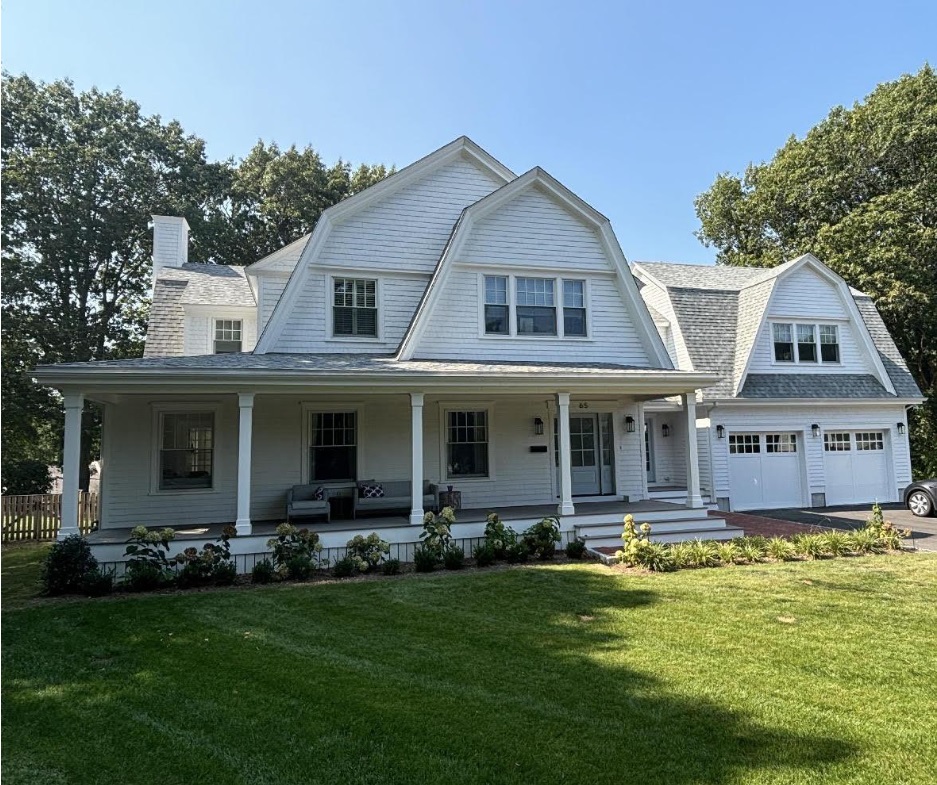
As Stephen Straz highlights, building a custom home offers unparalleled freedom in design, layout, and function. Unlike traditional houses that follow a set blueprint, custom homes allow you to tailor every detail to fit your lifestyle. Each design choice—from ceiling height to window placement—can be tailored, offering a level of charm that mass-produced homes simply can’t match.
Many choose this route when they can’t find a pre-built home that matches their lifestyle or long-term goals. Whether it’s optimizing natural light with larger windows or incorporating energy-efficient systems from the start, custom homes allow for details that align with specific priorities.
The process, however, comes with its own set of challenges—from choosing the right team and managing timelines to budgeting wisely and making countless decisions. Making key decisions about layout, functionality, and finishes before construction begins helps avoid costly changes later and keeps the project on track. Site orientation, zoning regulations, and future resale value often influence these early choices.
Assembling the Right Team for Your Project
Choosing a skilled and trustworthy team is one of the most important steps in custom home construction. A qualified builder, along with an experienced architect and designer, will not only bring your vision to life but also help anticipate and solve problems before they arise. Homeowners often rely on referrals, past project portfolios, and in-person interviews to determine the best fit.
Clear communication is what keeps a project running smoothly. When each team member knows their responsibilities and shares the same expectations, it reduces confusion and keeps momentum steady. Regular check-ins and updates can help ensure everyone stays aligned, even as the project progresses. Trust is built over time, especially when navigating complex decisions and unexpected challenges. A committed team will remain transparent about timelines, costs, and limitations.
Budgeting with Precision and Flexibility
Establishing a realistic budget means accounting for more than just materials and labor. Permits, site preparation, architectural fees, and utility connections can add up quickly, especially when building on undeveloped land. Working closely with your builder during the planning phase is key to identifying these costs upfront. It’s also useful to prioritize your must-haves early so that compromises are easier to make if necessary.
Even with careful planning, unanticipated expenses are common. Weather delays, supply chain issues, or design changes can all impact the bottom line. Setting aside a contingency fund—typically around 10% of the total budget—can make a big difference when surprises arise. This buffer can help you address issues quickly without derailing the larger vision or causing stress during construction.
Staying within your financial limits doesn’t mean sacrificing your vision. Prioritizing must-haves over nice-to-haves helps you allocate funds strategically, and in some cases, phasing non-essential features over time can keep the project manageable without compromising quality.
Managing Time and Decision-Making
Custom builds can span several months or longer, and delays are common without a clear plan. Weather, permitting, or late design decisions can all shift the schedule. Having a roadmap early on helps manage expectations and keeps the timeline realistic. A well-organized calendar with milestone check-ins keeps everyone accountable and helps avoid last-minute panics.
Decision fatigue can set in quickly when you’re faced with endless choices on fixtures, finishes, and layouts. Working with a designer who understands your priorities makes the process smoother and faster. Making selections early and sticking to them as much as possible helps avoid costly backtracking later. Reusing design elements across rooms can also simplify the decision-making process.
Finishing Strong
As the project nears completion, final walkthroughs allow you to identify small issues before moving in. These reviews are a chance to ensure everything functions correctly and meets agreed-upon standards, from cabinet alignment to light switch placement.
Punch lists—those final to-do items—can seem minor, but they play a major role in making the home feel complete. A well-managed closeout phase means fewer surprises after move-in and a smoother transition to everyday living. Some builders offer post-move support to address any lingering adjustments or questions.
Once the keys are in hand, knowing what’s covered under warranty gives peace of mind. Many builders include coverage for workmanship and systems, so it’s worth reviewing these terms while everything is still fresh. Keeping a binder or digital folder with manuals, warranties, and contact information will make future maintenance easier to manage.